Introduction
Agriculture remains the backbone of Zimbabwe’s economy, supporting millions of livelihoods across rural and urban communities. The sector contributes significantly to employment, export earnings, food security, and industrial growth. In recent years, Zimbabwean agriculture has undergone a major transformation driven by climate change adaptation, digital innovation, conservation farming, government-backed support programs, and shifting global markets.
Despite recurrent droughts, erratic rainfall patterns, inflationary pressures, and input shortages, Zimbabwean farmers continue to demonstrate resilience. The emergence of climate-smart agriculture, precision farming technologies, drought-resistant crops, contract farming models, and renewed investment in agribusiness is creating a new era for the country’s agricultural sector.
This article explores the major agricultural trends shaping Zimbabwe in 2026, the challenges facing farmers, opportunities for investors, and the future outlook of the industry.
1. Climate-Smart Agriculture Becomes the New Standard
One of the biggest trends transforming Zimbabwean agriculture is the rapid adoption of climate-smart agriculture (CSA). Climate change has severely affected rainfall patterns, causing prolonged droughts, crop failures, and declining productivity in many farming regions.
In response, both government and private agricultural stakeholders are promoting farming systems designed to improve resilience, increase productivity, and protect the environment.
Key climate-smart farming practices gaining popularity include:
- Conservation agriculture
- Minimum tillage systems
- Mulching and moisture retention techniques
- Crop rotation
- Integrated livestock systems
- Water harvesting technologies
- Drip irrigation systems
- Use of drought-resistant seed varieties
The Pfumvudza/Intwasa conservation farming model has become one of Zimbabwe’s most recognized climate adaptation programs. Smallholder farmers are increasingly using planting basins, mulching, and precise spacing techniques to maximize yields while conserving water.
Climate-smart agriculture is particularly important because Zimbabwe’s agricultural sector remains heavily dependent on rainfall. Experts warn that rising temperatures and unpredictable weather patterns could significantly reduce maize yields if adaptation strategies are not implemented.
Research institutions such as Kutsaga Research, CIMMYT, and agricultural universities are actively promoting sustainable farming systems capable of improving productivity under changing climatic conditions.
2. The Rise of Drought-Resistant Crops
For decades, maize has remained Zimbabwe’s dominant staple crop. However, changing weather patterns are forcing many farmers to diversify into drought-resistant traditional grains.
The production of crops such as:
- Sorghum
- Millet
- Rapoko
- Cowpeas
- Groundnuts
has increased in semi-arid regions including Masvingo, Matabeleland South, Matabeleland North, and parts of Midlands.
Government and development organizations are encouraging farmers to move away from overdependence on maize and adopt crops better suited to low-rainfall environments.
Traditional grains offer several advantages:
- Greater drought tolerance
- Lower water requirements
- Improved household food security
- Better climate resilience
- Expanding export and health-food market potential
Urban consumers are also driving demand for small grains due to growing awareness of healthier diets and organic food consumption.
As climate pressures intensify, experts predict that traditional grains will play a central role in Zimbabwe’s future food security strategy.
3. Tobacco Continues to Dominate Agricultural Exports
Tobacco remains Zimbabwe’s most valuable agricultural export crop and one of the country’s largest foreign currency earners.
Zimbabwe is Africa’s largest tobacco producer and among the world’s leading exporters of flue-cured tobacco. The industry supports hundreds of thousands of farmers and contributes significantly to national GDP.
Over the past decade, smallholder farmers have increasingly dominated tobacco production due to the growth of contract farming systems.
Under contract farming arrangements:
- Contractors provide seeds and fertilizers
- Farmers receive technical support
- Buyers guarantee market access
- Farmers repay loans after harvest sales
China continues to be a major export market for Zimbabwean tobacco.
However, the sector faces growing challenges:
- Deforestation caused by tobacco curing
- Climate-related production risks
- Farmer indebtedness
- Global anti-smoking policies
- Sustainability concerns from international buyers
In response, Zimbabwe’s tobacco sector is investing in:
- Sustainable curing barns
- Renewable energy solutions
- Afforestation projects
- Climate-smart tobacco varieties
- Improved irrigation systems
The long-term sustainability of tobacco farming will depend on balancing export growth with environmental protection and farmer profitability.
4. Agritech and Digital Farming Are Expanding Rapidly
Zimbabwe’s agricultural sector is increasingly embracing technology.
The rise of agritech is changing how farmers access information, manage production, and market their products.
Several digital trends are becoming more visible:
Mobile Agriculture Platforms
Farmers now use mobile applications and SMS-based platforms to access:
- Weather forecasts
- Market prices
- Farming advice
- Pest management information
- Mobile banking services
Precision Agriculture
Large-scale commercial farms are increasingly adopting:
- GPS-guided machinery
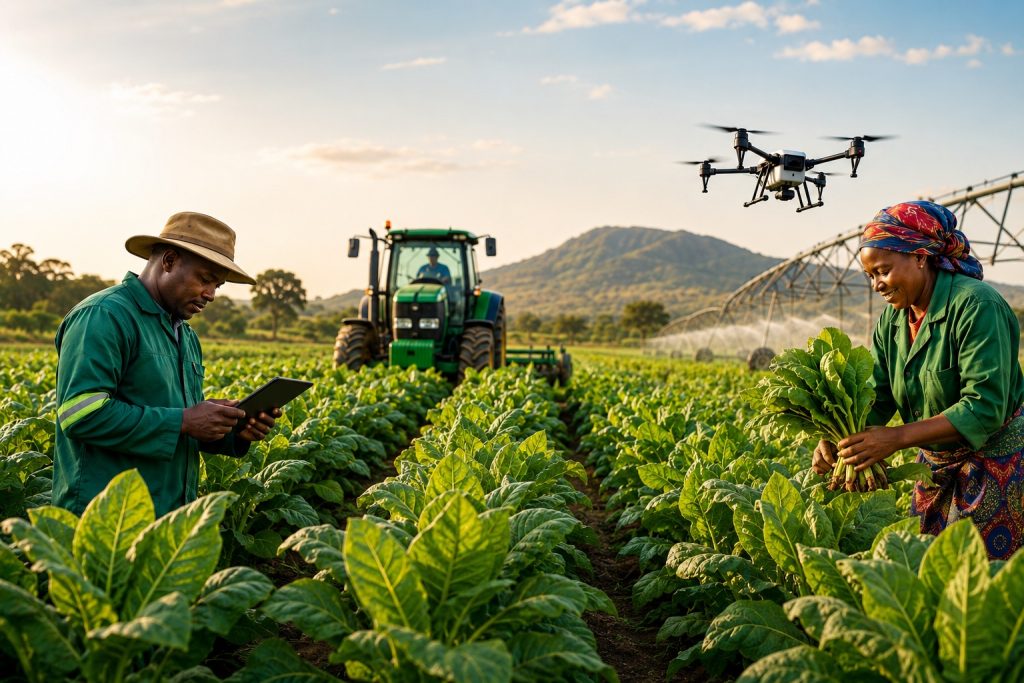
- Drone technology
- Satellite crop monitoring
- Smart irrigation systems
- Soil analysis technologies
Digital Marketplaces
Online agricultural marketplaces are connecting farmers directly with buyers, reducing middlemen and improving profit margins.
Financial Technology Integration
Mobile money platforms and digital banking solutions are helping farmers receive payments faster and access agricultural financing.
Zimbabwe’s AgriTech Strategy has also highlighted the importance of information and communication technologies in improving agricultural productivity and competitiveness.
Although adoption remains slow among some smallholder farmers due to connectivity and affordability challenges, agritech is expected to become a major growth driver over the next decade.
5. Irrigation Development Gains Momentum
Erratic rainfall patterns have made irrigation development one of Zimbabwe’s top agricultural priorities.
Both government and private investors are expanding irrigation infrastructure to improve food security and reduce dependence on rain-fed agriculture.
Important irrigation trends include:
- Solar-powered irrigation systems
- Smallholder irrigation schemes
- Dam rehabilitation projects
- Drip irrigation expansion
- Community water harvesting systems
Areas previously considered unsuitable for year-round production are increasingly becoming productive through irrigation investments.
Horticulture production in particular has benefited significantly from irrigation growth.
Farmers producing:
- Citrus fruits
- Blueberries
- Avocados
- Macadamia nuts
- Vegetables
- Flowers
are increasingly targeting export markets in Europe, Asia, and the Middle East.
Zimbabwe’s horticulture sector is slowly regaining its competitiveness after years of decline.
6. Youth Participation in Agriculture Is Increasing
For many years, agriculture in Zimbabwe was often viewed by young people as a low-income and labor-intensive occupation.
However, perceptions are beginning to change.
A growing number of young Zimbabweans are entering agribusiness through:
- Poultry farming
- Greenhouse production
- Hydroponics
- Fish farming
- Agro-processing
- Digital agriculture startups
- Horticulture exports
Social media platforms such as Facebook, TikTok, WhatsApp, and YouTube are also playing a major role in agricultural knowledge sharing.
Young farmers are increasingly using digital content to:
- Promote products
- Learn modern farming methods
- Access customers
- Build agribusiness brands
Universities, NGOs, and private institutions are also introducing youth-focused agricultural incubation programs.
This shift is important because Zimbabwe’s future agricultural productivity will depend heavily on attracting younger generations into modern farming systems.
7. Livestock Production Faces Both Challenges and Opportunities
Zimbabwe’s livestock sector remains an important component of the agricultural economy.
Cattle production continues to dominate rural livelihoods, especially in semi-arid regions.
However, livestock farmers are facing increasing pressures from:
- Droughts
- Water shortages
- Tick-borne diseases
- Rising feed costs
- Declining grazing land quality
In response, farmers are adopting improved livestock management practices including:
- Supplementary feeding systems
- Fodder production
- Improved breeding programs
- Vaccination campaigns
- Climate-resilient livestock systems
The poultry sector is experiencing particularly strong growth due to increasing urban demand for affordable protein.
Small-scale poultry farming has become one of the fastest-growing agricultural enterprises in Zimbabwe because of:
- Lower startup costs
- Faster production cycles
- Strong local demand
- Easier market access
Pig farming, goat production, and aquaculture are also emerging as profitable opportunities for smallholder farmers.
8. Export-Oriented Agriculture Is Recovering
Zimbabwe is increasingly focusing on export-oriented agriculture to generate foreign currency and stimulate economic growth.
Apart from tobacco, the country is experiencing growth in:
- Citrus exports
- Blueberry production
- Macadamia exports
- Avocado farming
- Sugar production
- Tea and coffee revival projects
International demand for high-value horticultural crops is encouraging investment in commercial farming.
Zimbabwe’s favorable climate, fertile soils, and long growing seasons provide strong potential for export agriculture.
However, exporters still face significant challenges including:
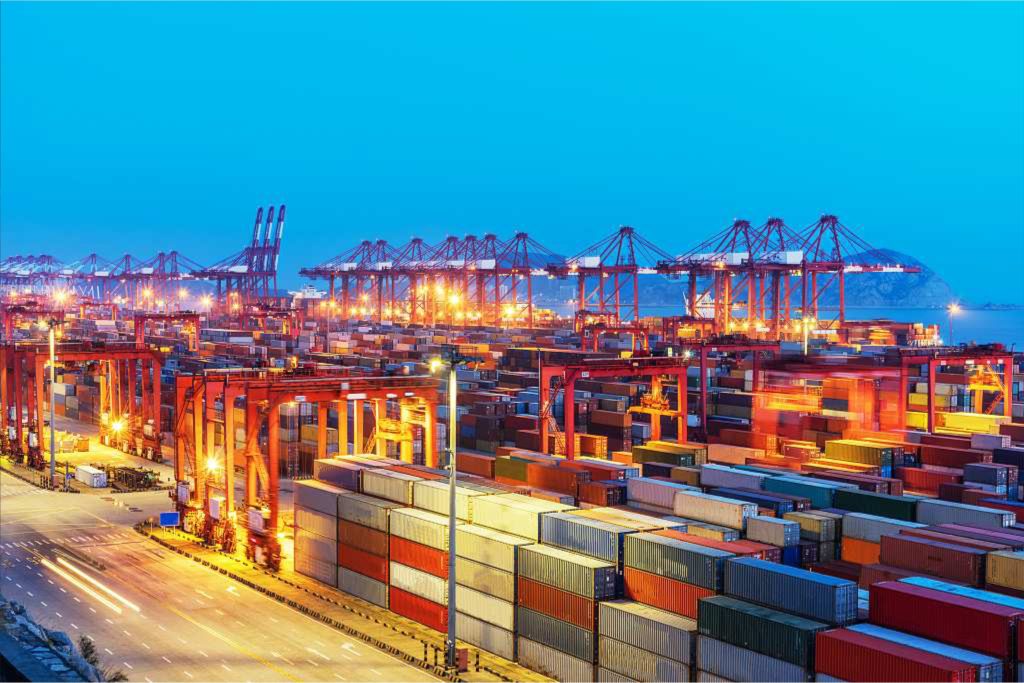
- High transport costs
- Limited cold-chain infrastructure
- Currency instability
- Certification requirements
- Energy shortages
Improving logistics and infrastructure will be essential for Zimbabwe to fully compete in global agricultural markets.
9. Women Are Playing a Greater Role in Agriculture
Women continue to play a central role in Zimbabwean agriculture, particularly in smallholder farming systems.
Across many rural communities, women are responsible for:
- Crop production
- Food processing
- Livestock management
- Market trading
- Household food security
Development programs are increasingly targeting women farmers with:
- Access to financing
- Agricultural training
- Land utilization support
- Entrepreneurship development
- Climate adaptation resources
Empowering women farmers is widely recognized as essential for improving productivity, reducing poverty, and strengthening food security.
10. Major Challenges Still Facing Zimbabwean Agriculture
Despite positive developments, Zimbabwe’s agricultural sector still faces numerous structural challenges.
These include:
Climate Change
Recurring droughts and unpredictable rainfall remain the greatest threat to agricultural productivity.
Limited Access to Finance
Many farmers struggle to access affordable loans and working capital.
High Input Costs
Fertilizers, fuel, machinery, and seed costs continue to rise.
Inadequate Infrastructure
Poor roads, storage facilities, and electricity shortages affect production efficiency.
Land Tenure Uncertainty
Some farmers still face difficulties securing long-term financing due to land ownership complexities.
Post-Harvest Losses
Significant losses occur because of limited storage and processing infrastructure.
Addressing these challenges will require coordinated efforts between government, financial institutions, development partners, and private sector investors.
The Future of Zimbabwean Agriculture
Zimbabwe’s agricultural future will likely be shaped by five key drivers:
- Climate adaptation and resilience
- Irrigation expansion
- Agritech innovation
- Export diversification
- Youth-driven agribusiness development
The transition from subsistence farming toward commercial and technology-driven agriculture is already underway.
If supported by stable policies, infrastructure investment, improved financing systems, and sustainable environmental practices, Zimbabwe has the potential to become one of Africa’s leading agricultural economies.
Agriculture is no longer just about traditional farming methods. It is becoming a sophisticated ecosystem driven by technology, sustainability, data, innovation, and entrepreneurship.
The farmers who adapt quickly to these changes are likely to become the leaders of Zimbabwe’s next agricultural revolution.
Conclusion
Zimbabwean agriculture is undergoing a major transformation. While climate change and economic pressures continue to create uncertainty, the sector is demonstrating remarkable resilience and innovation.
The rise of climate-smart farming, agritech adoption, irrigation development, youth participation, export horticulture, and sustainable production systems is reshaping the agricultural landscape.
The future of Zimbabwean agriculture will depend on how effectively farmers, policymakers, investors, and institutions work together to modernize production while protecting natural resources.
With the right investments and policies, agriculture could become one of the strongest engines of Zimbabwe’s economic recovery and long-term growth.
References
- World Bank Climate Knowledge Portal – Climate-Smart Agriculture in Zimbabwe
https://climateknowledgeportal.worldbank.org/sites/default/files/2019-06/CSA%20_Profile_Zimbabwe_12012018_1330.pdf - Zimbabwe AgriTech Strategy 2021–2025
https://smartafrica.org/wp-content/uploads/2023/03/ZIM-AGRITECH-STRATEGY-min.pdf - FANRPAN Policy Brief – Climate-Smart Agriculture in Zimbabwe
https://fanrpan.org/wp-content/uploads/2025/04/Policy-Brief-Issue-20.2017-CSA-Zimbabwe-Final-Draft01.pdf - Reuters – Zimbabwe Brings Back Maize Import Ban After Bumper Harvest
https://www.reuters.com/sustainability/climate-energy/zimbabwe-brings-back-maize-import-ban-after-bumper-harvest-2025-08-25/ - Reuters – Zimbabwe Lifts Growth Forecast on Tobacco Harvest
https://www.reuters.com/world/africa/zimbabwe-lifts-2025-growth-forecast-tobacco-harvest-gold-price-rally-2025-09-19/ - AP News – Zimbabwe Predicts Sharp Decline in Tobacco Crop as El Niño Takes Toll
https://apnews.com/article/9c0f557212141e5eeeae1629ac235151 - CIMMYT – Climate Smart Agriculture and Conservation Farming Initiatives
https://www.cimmyt.org/ - Kutsaga Research – Sustainable Tobacco and Climate-Smart Agriculture
https://www.kutsaga.co.zw/ - Food and Agriculture Organization (FAO)
https://www.fao.org/ - Ministry of Lands, Agriculture, Fisheries, Water and Rural Development – Zimbabwe
http://www.moa.gov.zw/